This sterling spoon necklace was made from the Victorian Anthemion petal pattern designed by Edward C Moore for Tiffany & Co. In 1885. Finished with your choice of 16, 18, or 20 inch Italian sterling chain
24 inch chain upgrade available here.
30 inch chain upgrade available here.
Metal: Sterling silver with portions of gold gilding
Spoon Lore:
Crafted in the golden age of Tiffany silver, this exquisite little dish belongs to the quietly spectacular world created under Edward C. Moore, Tiffany’s legendary design director whose influence shaped the company’s artistic identity from 1868 to 1891. Moore was a scholar of world ornament, a collector of Eastern textiles, Near Eastern metalwork, and Renaissance decorative arts. His rich vocabulary of forms would define Tiffany’s sterling for an entire generation.
This dish, known by its Tiffany pattern number 3775, is a perfect example of that era’s grace: a celebration of the Aesthetic Movement, where beauty was found not in grand mythological scenes but in the poetry of pattern, proportion, and surface itself.
Around the rim, a procession of deeply chased anthemion petals, a classical motif revived in the 19th century for its sense of order and quiet majesty. These alternate with tiny repeating beads that echo ancient Hellenistic borders. Between these elements, delicate foliate sprays form an inner garland, softening the geometry with organic motion. The ornament is restrained yet rich, a balance Moore championed: silver that breathed with life but never shouted.
The center well, washed in a warm, glowing lemon-gold gilding, is another hallmark of late-Victorian Tiffany. This gilding transformed the dish into a miniature sun caught in a frame of silver architecture. It is thought that Moore favored this interplay of matte gold and polished silver because it echoed the mixed-metal techniques he admired in Japanese art.
Today, Tiffany’s No. 3775 design stands as a small but luminous example of what the Moore atelier did best: unite ancient forms, global influences, and American craftsmanship into something timeless. Each dish feels like a fragment of a larger artistic story—one where classical ornament, Eastern sensibility, and Tiffany brilliance meet in a piece small enough to rest in the palm of your hand, yet grand enough to glow for centuries.
Oh, If Spoons Could Talk
I love spoon jewelry. And I love hunting for the most beautiful spoons to make it! Spoon jewelry is a little wearable piece of history allowing the story and beauty of the pattern to be displayed and treasured, rather than being forgotten in a drawer or melted down as many of these antique beauties are.
All the pieces I make are from the original antique spoons - none are copies or casts - and I make each by hand, giving care and though to how each pattern is best shaped and displayed.
Using the original sterling silverware means each piece is not only beautiful in design, but full of indications that it has lived life. Maybe a faded monogram or little wear spots - I enjoy thinking about the places they have been and who might have held them 100 years ago. Each piece is, therefore, truly unique. I have discovered more than one of some of these spoon patterns, so each piece will come with its own character and story, varying slightly on little wear spots and marks - There will not be two that are exactly the same!
I hope the piece you choose resonates with your own story and will be a piece you treasure for generations.
This sterling spoon necklace was made from the Victorian Anthemion petal pattern designed by Edward C Moore for Tiffany & Co. In 1885. Finished with your choice of 16, 18, or 20 inch Italian sterling chain
24 inch chain upgrade available here.
30 inch chain upgrade available here.
Metal: Sterling silver with portions of gold gilding
Spoon Lore:
Crafted in the golden age of Tiffany silver, this exquisite little dish belongs to the quietly spectacular world created under Edward C. Moore, Tiffany’s legendary design director whose influence shaped the company’s artistic identity from 1868 to 1891. Moore was a scholar of world ornament, a collector of Eastern textiles, Near Eastern metalwork, and Renaissance decorative arts. His rich vocabulary of forms would define Tiffany’s sterling for an entire generation.
This dish, known by its Tiffany pattern number 3775, is a perfect example of that era’s grace: a celebration of the Aesthetic Movement, where beauty was found not in grand mythological scenes but in the poetry of pattern, proportion, and surface itself.
Around the rim, a procession of deeply chased anthemion petals, a classical motif revived in the 19th century for its sense of order and quiet majesty. These alternate with tiny repeating beads that echo ancient Hellenistic borders. Between these elements, delicate foliate sprays form an inner garland, softening the geometry with organic motion. The ornament is restrained yet rich, a balance Moore championed: silver that breathed with life but never shouted.
The center well, washed in a warm, glowing lemon-gold gilding, is another hallmark of late-Victorian Tiffany. This gilding transformed the dish into a miniature sun caught in a frame of silver architecture. It is thought that Moore favored this interplay of matte gold and polished silver because it echoed the mixed-metal techniques he admired in Japanese art.
Today, Tiffany’s No. 3775 design stands as a small but luminous example of what the Moore atelier did best: unite ancient forms, global influences, and American craftsmanship into something timeless. Each dish feels like a fragment of a larger artistic story—one where classical ornament, Eastern sensibility, and Tiffany brilliance meet in a piece small enough to rest in the palm of your hand, yet grand enough to glow for centuries.
Oh, If Spoons Could Talk
I love spoon jewelry. And I love hunting for the most beautiful spoons to make it! Spoon jewelry is a little wearable piece of history allowing the story and beauty of the pattern to be displayed and treasured, rather than being forgotten in a drawer or melted down as many of these antique beauties are.
All the pieces I make are from the original antique spoons - none are copies or casts - and I make each by hand, giving care and though to how each pattern is best shaped and displayed.
Using the original sterling silverware means each piece is not only beautiful in design, but full of indications that it has lived life. Maybe a faded monogram or little wear spots - I enjoy thinking about the places they have been and who might have held them 100 years ago. Each piece is, therefore, truly unique. I have discovered more than one of some of these spoon patterns, so each piece will come with its own character and story, varying slightly on little wear spots and marks - There will not be two that are exactly the same!
I hope the piece you choose resonates with your own story and will be a piece you treasure for generations.

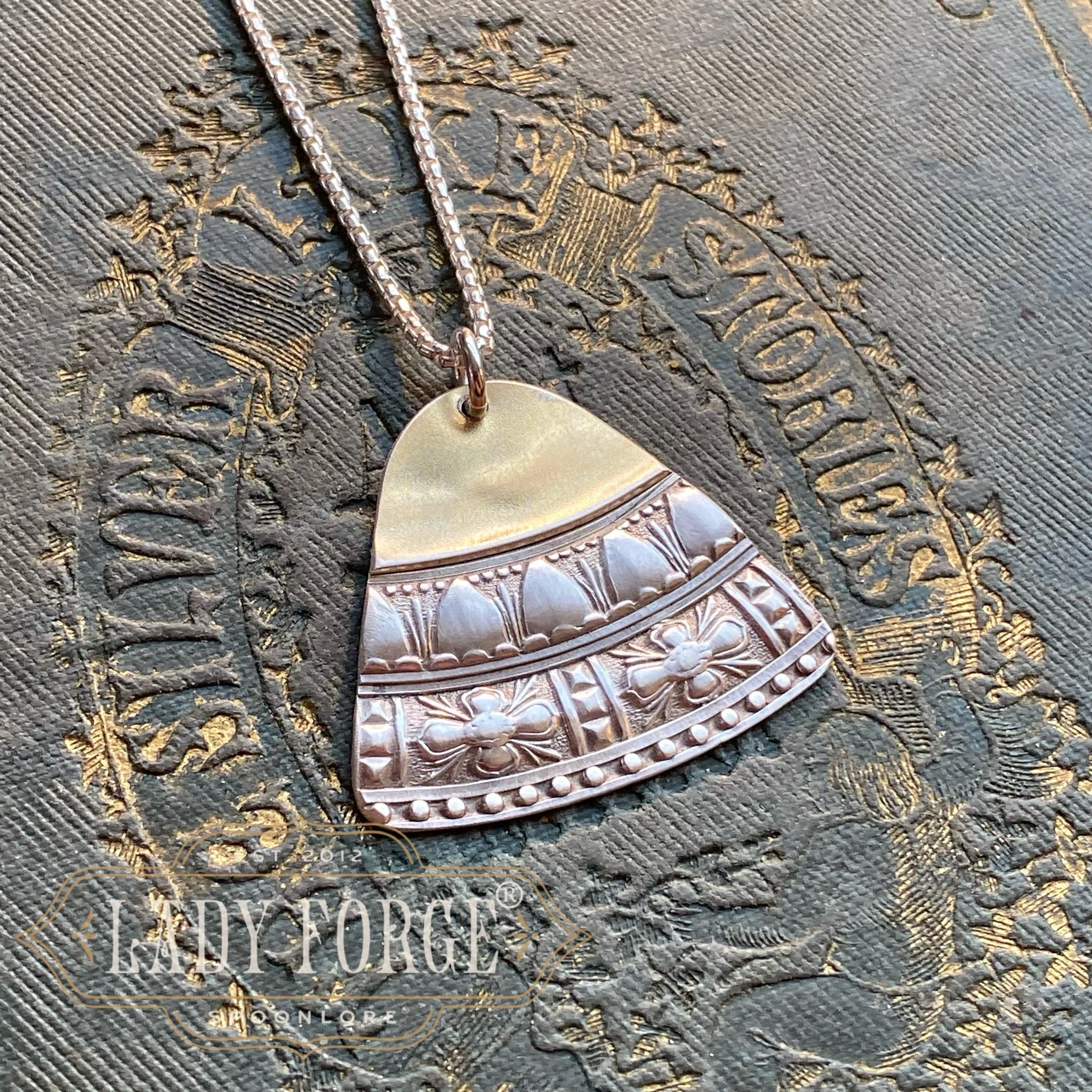 Image 1 of 8
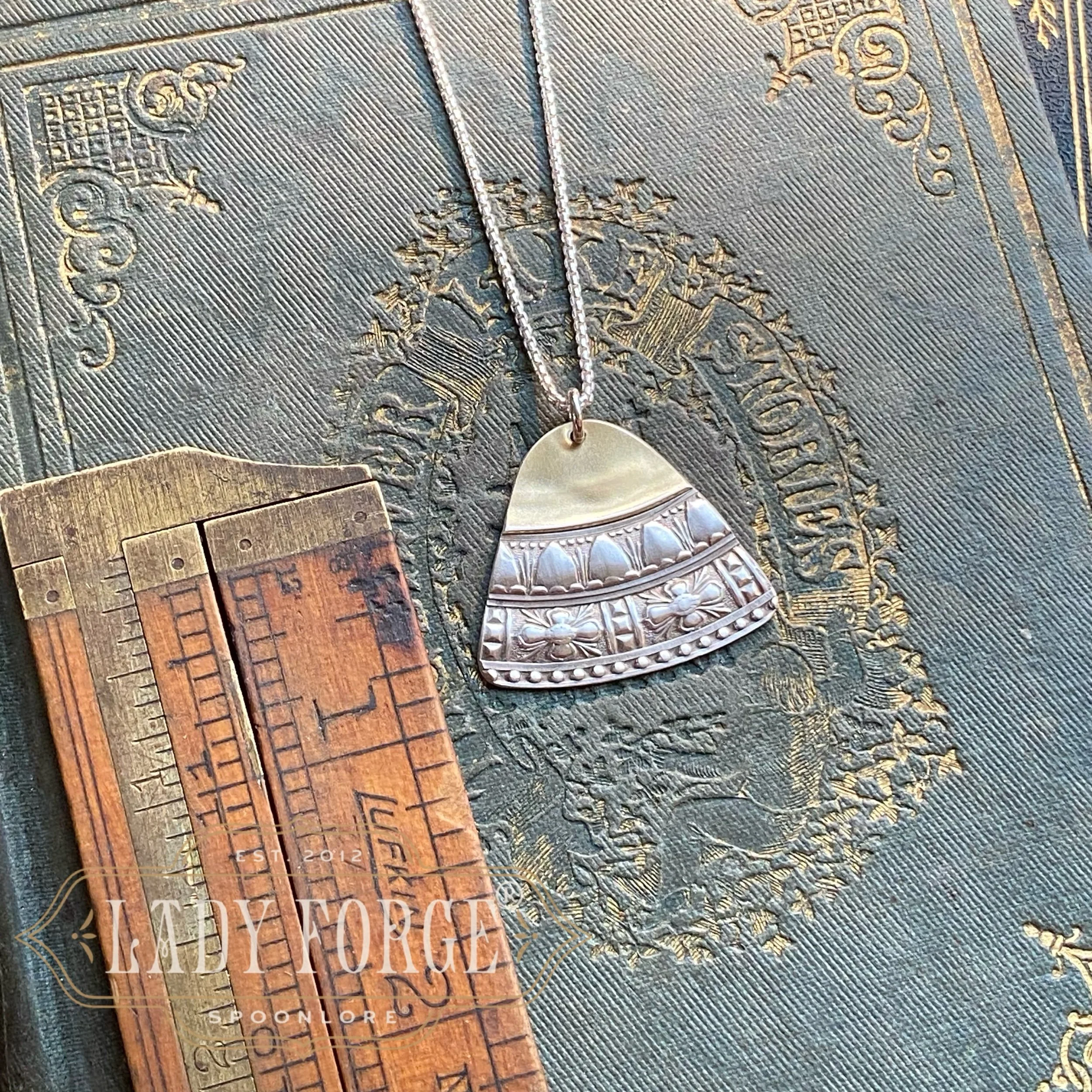 Image 2 of 8
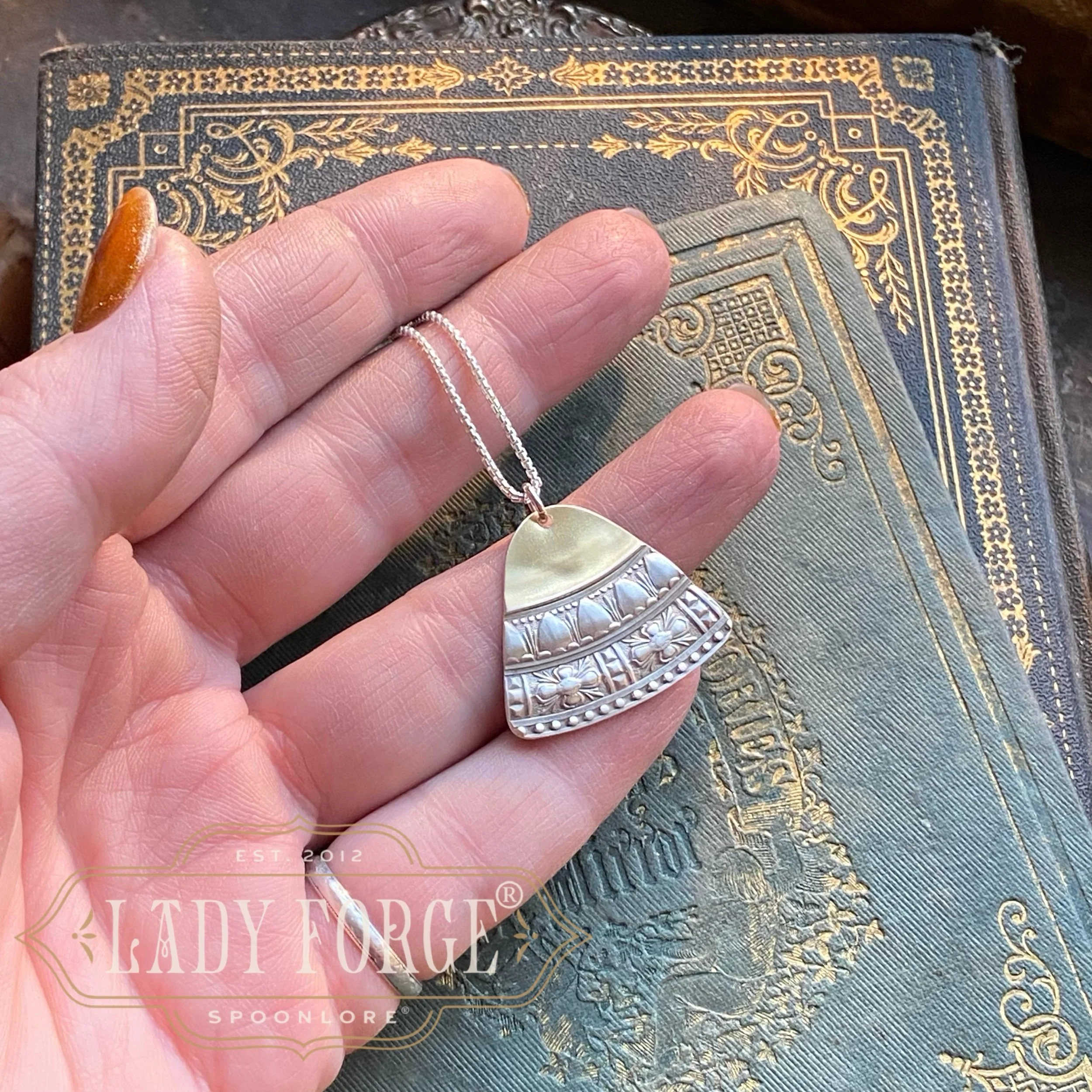 Image 3 of 8
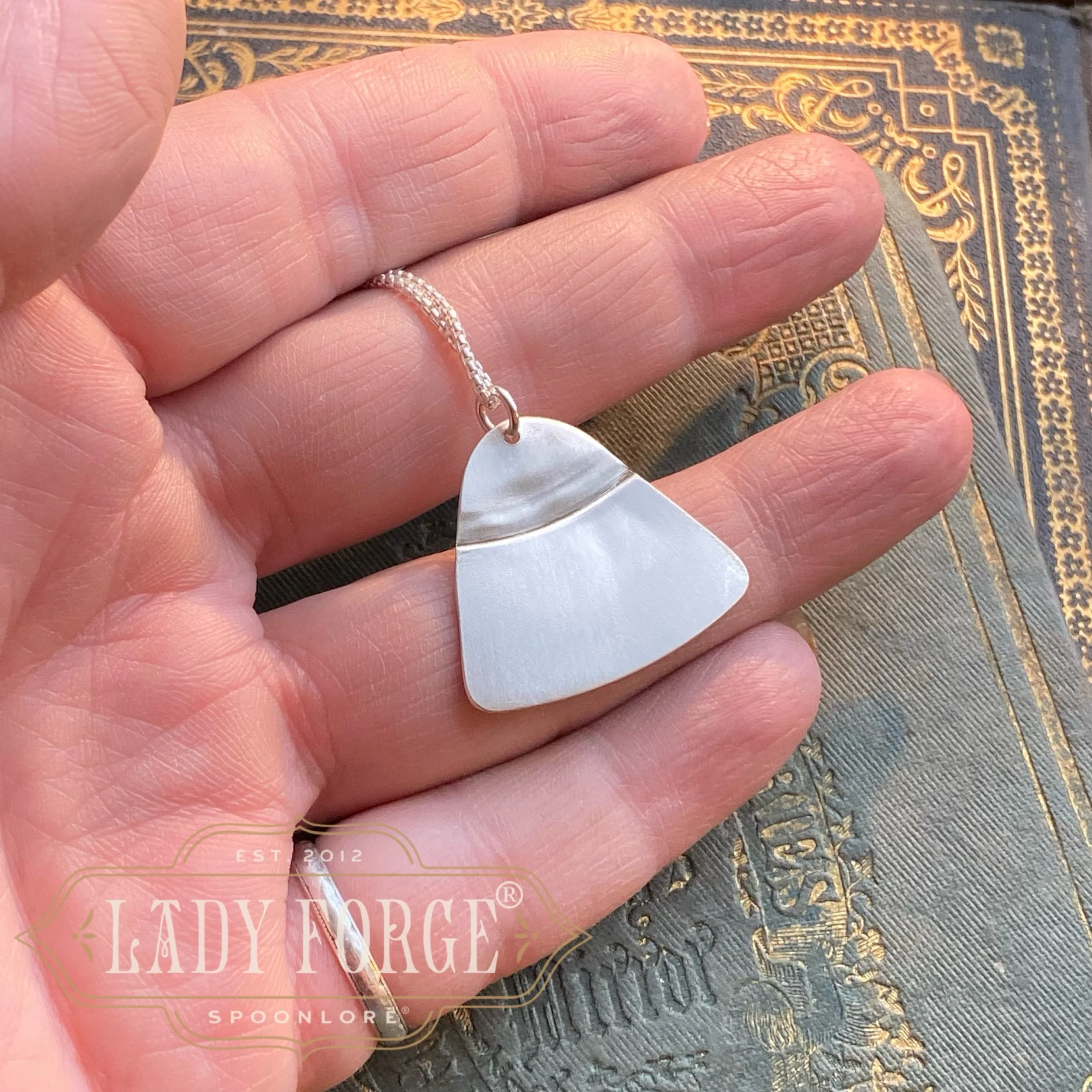 Image 4 of 8
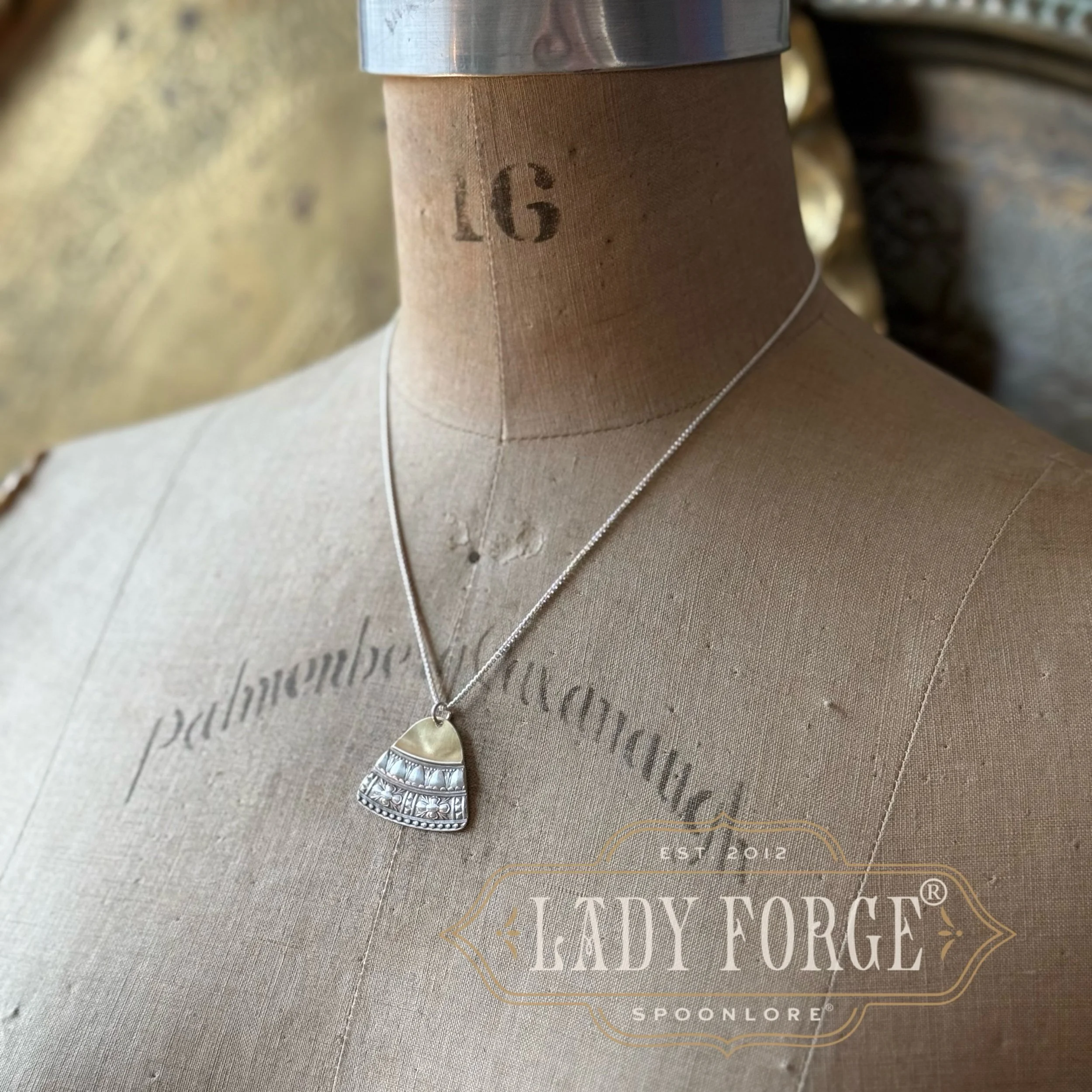 Image 5 of 8
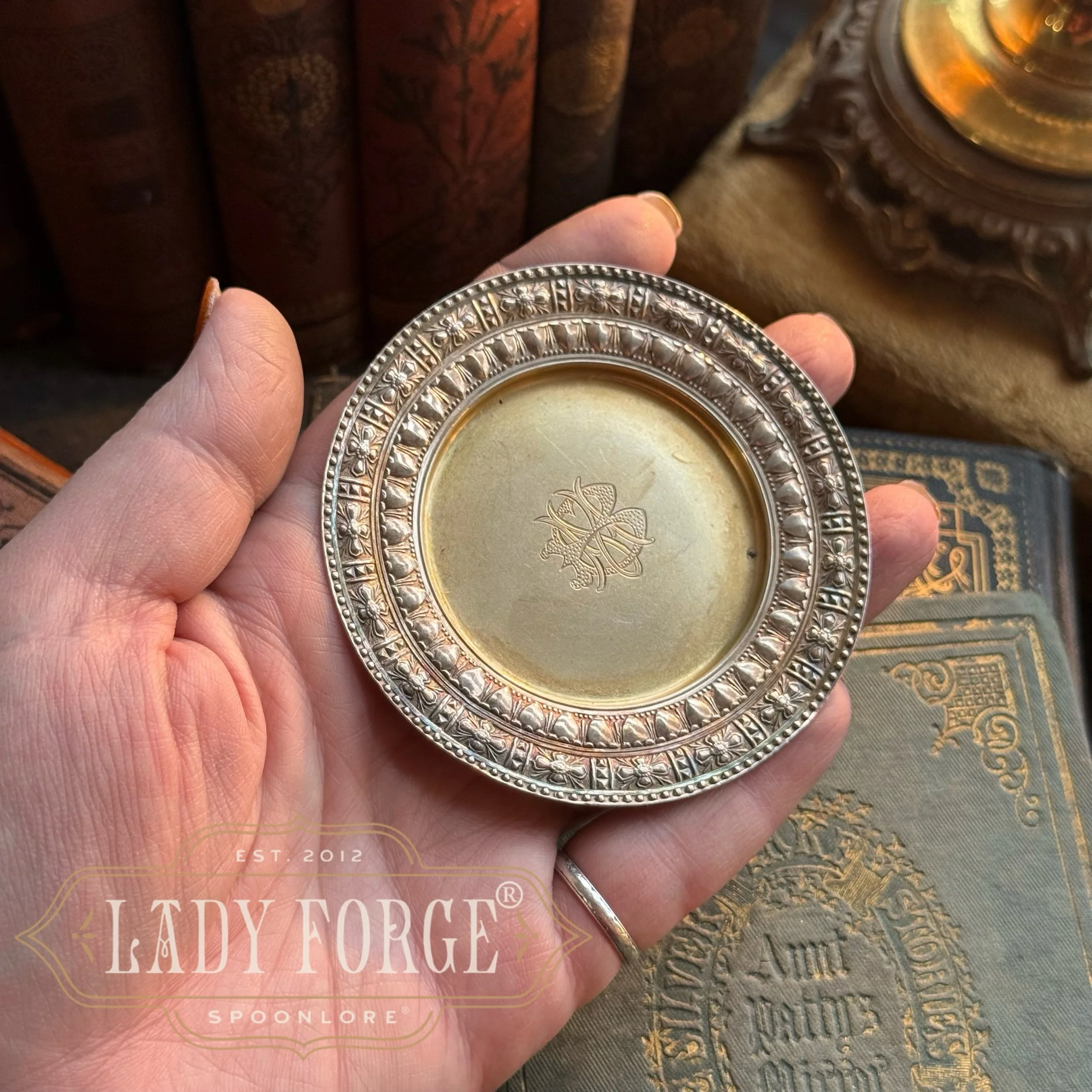 Image 6 of 8
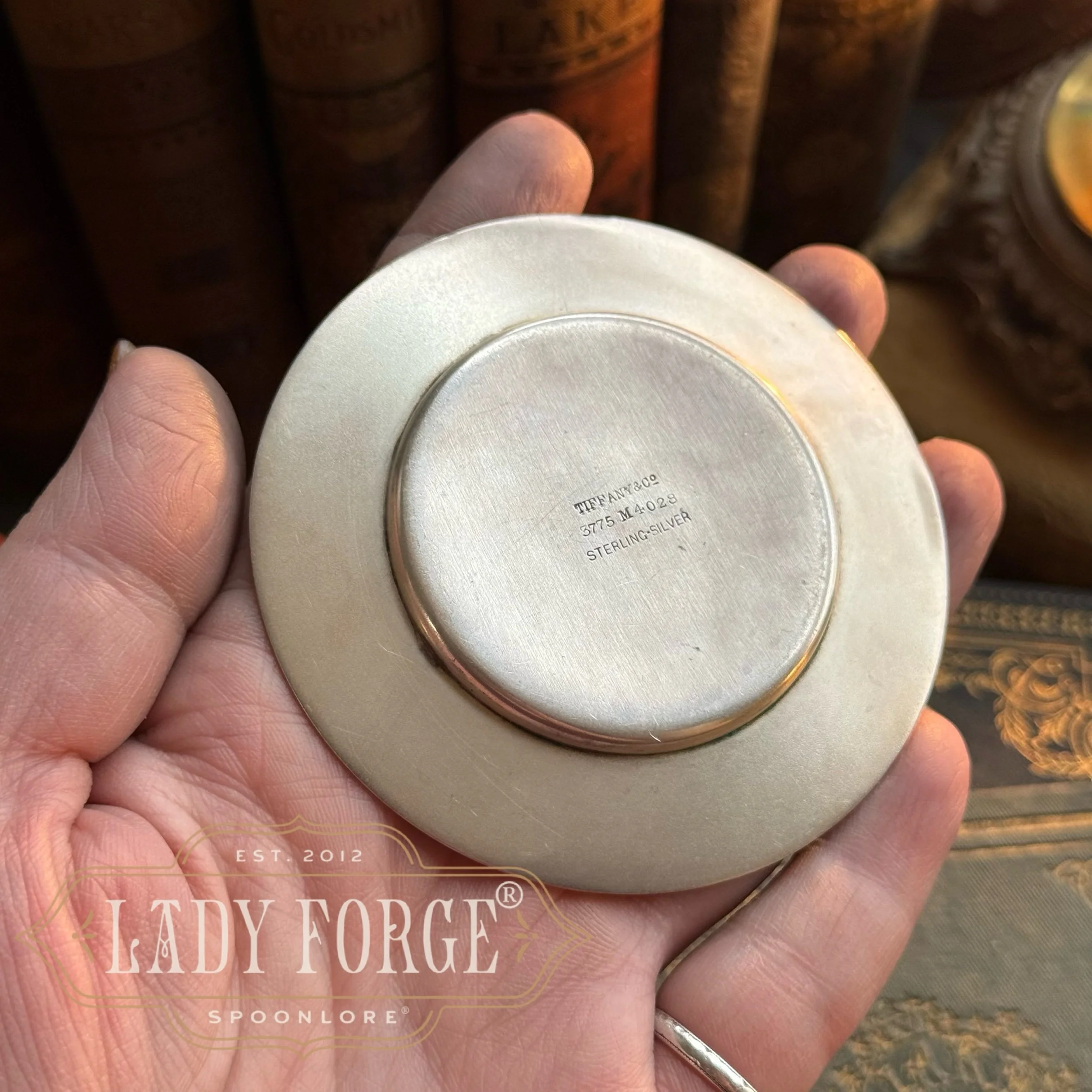 Image 7 of 8
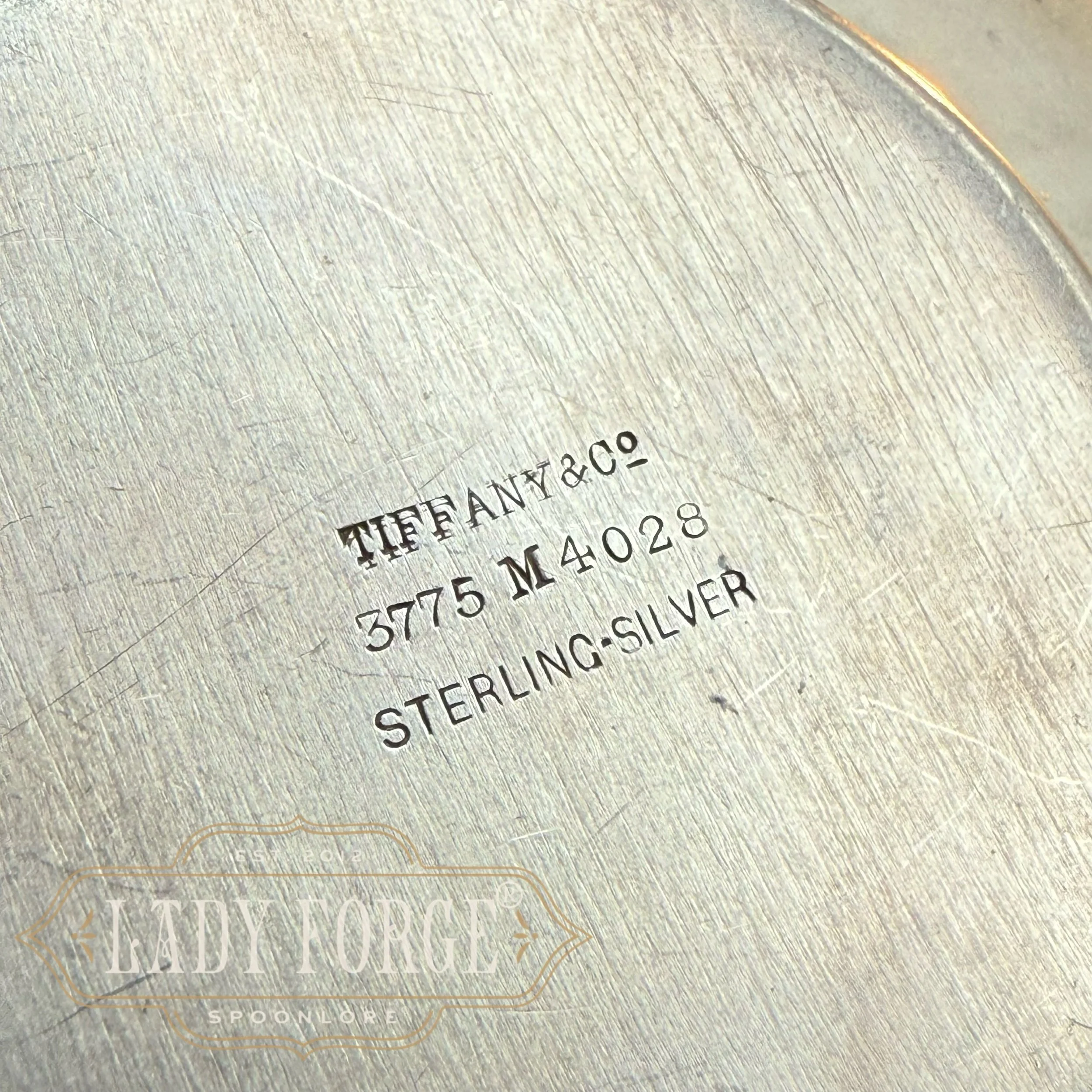 Image 8 of 8